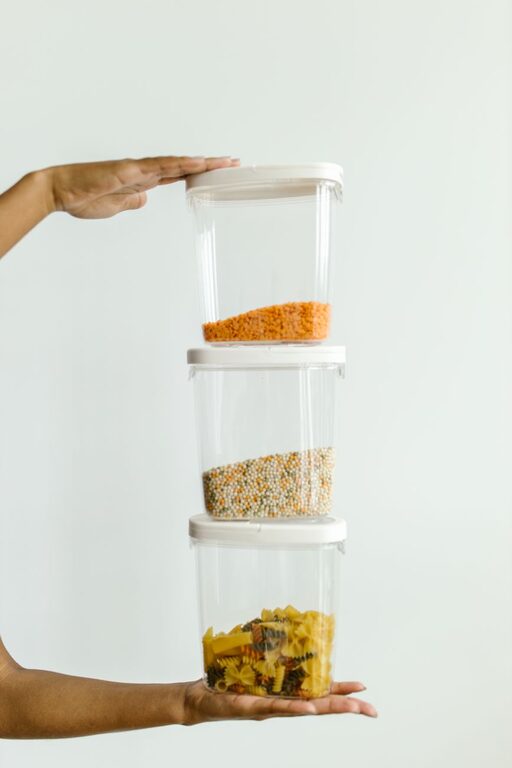
Planning meals from pantry staples is a smart way to simplify cooking, save money, and reduce trips to the grocery store. Your pantry likely holds a variety of ingredients that can be combined in numerous ways to create nutritious, satisfying meals. Whether you’re new to cooking or looking to streamline your kitchen routine, this guide will help you make the most of your pantry staples.
Why Plan Meals from Pantry Staples?
Pantry staples are non-perishable or long-lasting ingredients that form the backbone of many meals. Examples include rice, pasta, canned beans, tomatoes, dried herbs, and spices. Planning meals around these items allows you to:
– Save money by using what you already have.
– Reduce food waste by preventing unused ingredients from spoiling.
– Cut down on last-minute trips to the store.
– Prepare meals quickly with minimal prep work.
– Build a flexible meal plan adaptable to your preferences.
Step 1: Take Inventory of Your Pantry
Before you start planning, it’s important to know exactly what you have. Set aside some time to:
– Pull everything out and group similar items together.
– Check expiration dates and discard anything expired.
– Note down staples you use often and those you haven’t touched.
– Organize your pantry to keep frequently used items within easy reach.
Keeping a running list or using a pantry-tracking app can help you stay updated on what’s available.
Step 2: Identify Your Pantry Staples
Pantry staples typically include foods that have a long shelf life and can be used in multiple dishes. Common staples are:
– Grains: rice, quinoa, pasta, oats, couscous
– Canned goods: beans, tomatoes, tuna, vegetables, coconut milk
– Baking essentials: flour, baking powder, baking soda, sugar
– Oils and vinegars: olive oil, vegetable oil, apple cider vinegar, balsamic vinegar
– Spices and herbs: salt, pepper, garlic powder, paprika, dried oregano, chili flakes
– Condiments: soy sauce, mustard, hot sauce, honey
– Nuts and seeds: almonds, peanuts, chia seeds
– Other: broth or stock cubes, nut butters, canned soups
Knowing which ingredients you regularly keep will help you plan meals more effectively.
Step 3: Choose a Meal Planning Approach
There are several ways to plan meals based on pantry staples. Choose the method that best fits your lifestyle.
Option A: Build Around a Key Ingredient
Pick one or two pantry staples as the base and create different meals around them. For example:
– Beans: Make chili, bean salad, or bean soup.
– Rice: Prepare stir-fry, rice bowls, or fried rice.
– Pasta: Whip up pasta with tomato sauce, pasta salad, or casseroles.
Option B: Mix and Match Ingredients
Look for complementary ingredients in your pantry to inspire meals. For instance:
– Combine canned tomatoes, pasta, olive oil, and spices for a quick tomato pasta.
– Use canned chickpeas, olive oil, garlic powder, and lemon juice to make hummus or chickpea salad.
Option C: Plan Weekly Menus
Outline meals for the week that rely on pantry staples, adding fresh or frozen produce as needed. This approach helps with grocery shopping and ensures variety.
Step 4: Create Simple, Balanced Meals
To keep meals satisfying and nutritious, try to include:
– Carbohydrates: grains, pasta, potatoes
– Protein: canned beans, lentils, tuna, nut butters
– Vegetables: canned, frozen, or fresh when available
– Fats: oils, nuts, seeds
Combining these elements ensures your meals fuel your body.
Step 5: Use Recipes for Inspiration
Having a few reliable recipes that use pantry staples can take the guesswork out of cooking. Some ideas include:
– Pasta with Garlic and Olive Oil: Sauté garlic in olive oil and toss with cooked pasta and chili flakes.
– Chickpea Curry: Simmer canned chickpeas with canned tomatoes, coconut milk, and curry powder.
– Rice and Bean Bowls: Layer cooked rice, beans, salsa, and shredded cheese or avocado.
– Soup from Broth and Canned Veggies: Use broth cubes, canned vegetables, and spices for a quick soup.
Experiment with spices and condiments to customize flavors.
Step 6: Keep Your Pantry Stocked Smartly
To maintain a well-rounded pantry:
– Regularly replenish staples you use often.
– Buy versatile ingredients that can be used in multiple dishes.
– Store items properly to extend their shelf life—keep dry goods in airtight containers away from heat and moisture.
– Rotate stock by placing new items at the back and older ones in front.
Tips for Success
– Plan ahead: Spend a few minutes each week planning meals around your pantry to avoid last-minute stress.
– Batch cook: Prepare larger portions and save leftovers for quick meals.
– Get creative: Combine ingredients in new ways to keep meals interesting.
– Keep fresh items handy: Frozen and fresh vegetables complement pantry staples and add variety.
– Use technology: Meal planning apps can help you organize ingredients and create shopping lists.
Final Thoughts
Meal planning from pantry staples is a practical, budget-friendly way to enjoy home-cooked meals with less hassle. By understanding what you have, organizing your ingredients, and using simple recipes, you can create delicious dinners even on busy days. Start today by taking inventory and brainstorming your favorite pantry-based meals!