Reducing food waste at home is not only good for your budget but also benefits the environment by conserving resources and reducing landfill waste. Many households throw away large amounts of edible food each week, often due to misunderstanding expiration dates, improper storage, or over-purchasing. This post will guide you through practical and easy-to-implement strategies to cut down on food waste in your kitchen.
Understanding Food Waste
Before diving into tips, it’s important to recognize what food waste includes. Food waste refers to edible food that is discarded, whether it spoils before use or leftovers end up in the trash. Reducing food waste means making better choices around shopping, cooking, and storing food.
Plan Your Meals Ahead
Create a Weekly Meal Plan
Planning meals for the week helps you buy only what you need. Consider your schedule and the number of people eating to ensure portion sizes are right.
Make a Shopping List
Use your meal plan to write a detailed shopping list. Stick to the list to avoid impulse buys that might go unused and spoil.
Check Your Pantry and Fridge First
Before shopping, take stock of what you already have. This prevents buying duplicates and helps use up existing food.
Shop Smart and Mindfully
Buy Loose Produce
Choosing loose fruits and vegetables lets you pick the exact quantity you need, reducing excess.
Avoid Bulk Buying Unless Needed
While bulk deals can save money, they may lead to waste if you can’t use the items before they expire.
Choose Frozen and Canned Options
Frozen fruits and vegetables can last longer and reduce spoilage. Canned goods are great pantry staples with a long shelf life.
Store Food Properly
Understand Food Storage Basics
Different foods require different storage conditions. For example, some vegetables do better in the fridge while others last longer at room temperature.
Use Clear Containers
Store leftovers and opened packages in clear containers so you can easily see what needs to be eaten soon.
Label and Date Items
Labeling helps track when food was opened or cooked, preventing forgotten items in the back of the fridge.
Use Leftovers Creatively
Transform Leftovers Into New Meals
Get creative with leftovers by turning them into soups, salads, stir-fries, or sandwiches.
Freeze Extra Portions
If you make more food than needed, freeze leftovers in portion-sized containers for future meals.
Compost Food Scraps
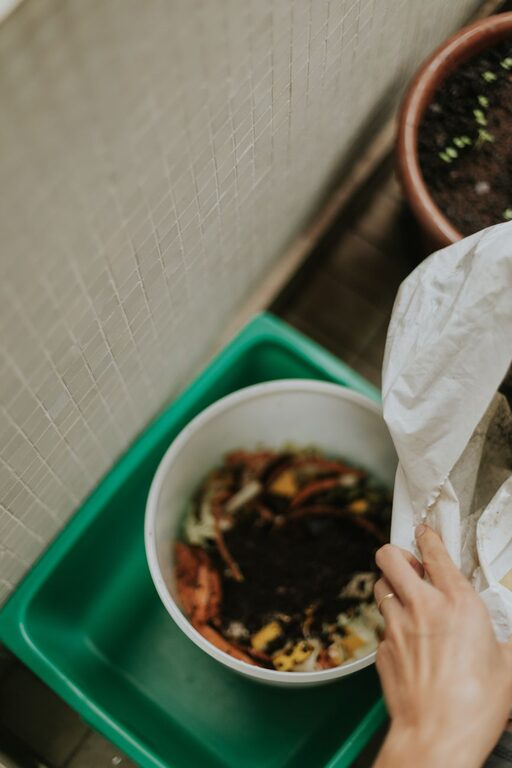
Composting vegetable peels and other scraps reduces waste and creates nutrient-rich soil for gardening.
Manage Portions Wisely
Serve Smaller Portions
Serving smaller amounts allows people to take seconds if desired without leaving large amounts uneaten on the plate.
Encourage Saving Leftovers
Keep containers handy and encourage family members to save uneaten food for later meals.
Monitor Expiration Dates
Know the Difference Between “Use By” and “Best Before”
“Use by” indicates safety, so food should not be consumed after this date, while “best before” relates to quality and food can often be eaten past this date if stored properly.
Organize Your Fridge and Pantry
Keep older items at the front and new purchases at the back to use food in the order it was bought.
Educate and Involve the Family
Explain the Importance of Reducing Waste
Involving everyone in the household helps create a team effort toward minimizing waste.
Share Responsibility
Assign tasks like meal planning, shopping, and composting to different family members.
Additional Tips for Food Waste Reduction
– Use Veggie Scraps for Broth: Save peels, stems, and ends to make homemade vegetable stock.
– Regrow Vegetables: Some vegetables like green onions or lettuce can be regrown from scraps.
– Repurpose Stale Bread: Turn it into breadcrumbs or croutons instead of throwing it away.
Final Thoughts
Reducing food waste at home is achievable with small, consistent changes. By planning meals, shopping thoughtfully, storing food correctly, and getting creative with leftovers, you not only help the environment but also make your household more efficient and save money. Start with one or two of these tips today and build from there for a waste-free kitchen!