Category: Organization

  • Small Space Storage Ideas That Really Work

    Small Space Storage Ideas That Really Work

    Spread the love

    Living in a small space can be a challenge, especially when it comes to storage. Whether you have a tiny apartment, a cozy studio, or just limited closet space, finding smart storage solutions is key to maintaining a tidy and comfortable home. In this post, we’ll explore a variety of practical ideas that make the most of your available space without sacrificing style or functionality.

    Assess Your Space and Needs

    Before you dive into buying storage products, take a moment to evaluate your space and belongings. Ask yourself:

    – What items do I need to store regularly?

    – Which areas are clutter hotspots?

    – What storage options are already available?

    – Can some items be decluttered or donated?

    Understanding the specific storage challenges in your home will help you choose solutions that fit your lifestyle.

    Use Vertical Space Effectively

    One of the easiest ways to gain extra storage in a small area is to think vertically. Here are some ideas:

    Install Wall Shelves

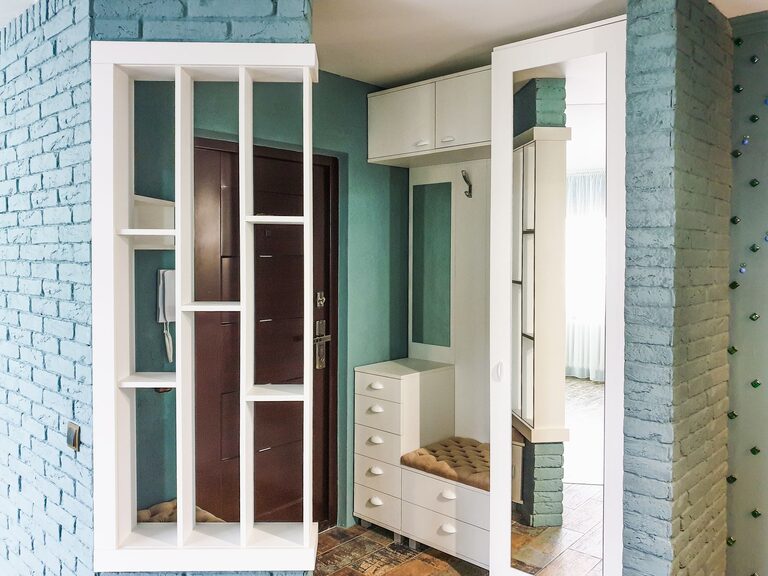
    Wall-mounted shelves free up floor space and provide a place for books, decor, or kitchen essentials. Floating shelves create a clean look and can be added above desks, beds, or in bathrooms.

    Hang Hooks and Pegboards

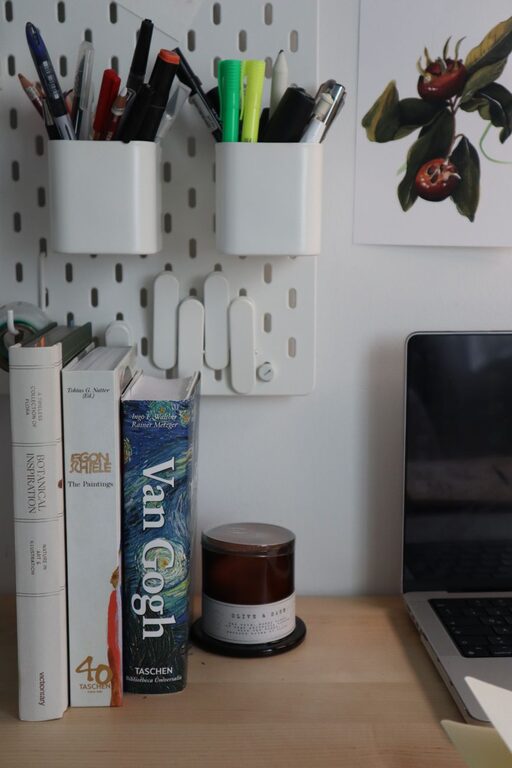
    Hooks are perfect for hanging coats, bags, hats, or kitchen utensils. A pegboard offers flexible storage by allowing you to arrange hooks, baskets, and shelves wherever you need them. This works well in craft rooms, kitchens, or garages.

    Utilize Over-the-Door Organizers

    Over-the-door racks or pockets are great for shoes, cleaning supplies, or pantry items. These organizers maximize unused space on the backs of doors without cluttering rooms.

    Choose Multi-Functional Furniture

    Small spaces benefit from furniture that serves more than one purpose. Look for pieces that include built-in storage or transform to suit different needs:

    Storage Ottomans: These function as seats or footrests, and inside you can stash blankets, magazines, or toys.

    Beds with Drawers: Under-bed drawers or lift-up storage platforms make use of otherwise wasted space.

    Folding Tables: A fold-down desk or dining table can be tucked away when not in use.

    Sofa Beds: Great for guests without needing a separate room.

    These versatile pieces keep your space feeling open while providing essential storage.

    Smart Closet Solutions

    Closets in small homes tend to be tight, so organizing them efficiently is important.

    Use Slimline Hangers

    Replace bulky hangers with slim, non-slip versions to fit more clothing on the rod.

    Add Additional Rods or Shelves

    Double your hanging space with an extra rod below the original one. Installing shelves can also hold folded clothes or boxes.

    Use Clear Storage Bins

    Stackable clear bins let you see what’s inside without rummaging. Label them for even easier access.

    Utilize Door Space

    The inside of closet doors can hold jewelry organizers, shoe racks, or hooks for belts and scarves.

    Declutter and Prioritize

    Sometimes the best “storage solution” is simply reducing what you own. Regularly go through your belongings and donate or recycle items you no longer use. This will free up space and make organizing a breeze.

    Focus on prioritizing items you use often by keeping them accessible, while storing seasonal or rarely used things in high, low, or hidden places.

    Use Creative Storage Containers

    Storage doesn’t have to be boring. Using baskets, bins, or decorative boxes adds style and keeps things neat.

    Wicker Baskets: Great for living room or bathroom storage, adding texture.

    Fabric Bins: Lightweight and stackable, perfect for closets or shelves.

    Stackable Drawers: Useful for office supplies, makeup, or small gadgets.

    Look for containers that fit the dimensions of your shelves or under furniture to maximize space.

    Maximize Kitchen Storage

    Kitchens are often tight on space, but these tips can help:

    – Hang pots and pans from a ceiling rack or wall-mounted rail.

    – Use magnetic strips to store knives or spice jars.

    – Organize pantry items in clear, uniform containers.

    – Add pull-out shelves or baskets inside cabinets for deeper reach.

    Conclusion

    Small space storage doesn’t have to mean cluttered or cramped living. With a bit of creativity and smart planning, you can make your home feel spacious and organized. Start by assessing your needs, use vertical space, invest in multi-functional furniture, optimize closets, and don’t forget to declutter regularly. With these strategies, every inch of your home can work harder for you.

    Try out these ideas and see how much more enjoyable your small space can become!
  • Tips for a Tidy Closet That Stays Organized

    Tips for a Tidy Closet That Stays Organized

    Spread the love

    A tidy closet is more than just a neat space—it can simplify your mornings, help you find what you need quickly, and make your home feel more comfortable. However, keeping your closet organized over time can be a challenge. If you’ve struggled with a cluttered closet or want to maintain an orderly space, this guide offers practical tips to help you create and sustain a tidy closet that works for you.

    Why a Tidy Closet Matters

    A well-organized closet saves time and reduces stress. When you can easily see and access your clothes and accessories, it becomes simple to plan outfits and avoid decision fatigue. Additionally, a tidy closet can prolong the life of your garments by preventing damage and wrinkles.

    Step 1: Declutter Before Organizing

    Before adding baskets, shelves, or hangers, start by decluttering. Removing items you no longer wear or need makes organizing much easier.

    Empty your closet completely. Take everything out so you can assess what you have.

    Sort items into categories. Create piles for keep, donate, sell, or discard.

    Be honest with yourself. If you haven’t worn something in a year or it doesn’t fit, consider letting it go.

    Organize the keepers. Group similar items like shirts, pants, dresses, and accessories together.

    Decluttering clears physical and mental space and sets the stage for an organized layout.

    Step 2: Choose the Right Storage Solutions

    Storage options vary based on your closet size, type, and personal preferences. Here are some ideas:

    Use Uniform Hangers

    Matching hangers give your closet a cohesive look and help clothes hang evenly. Thin, non-slip hangers save space and prevent items from slipping off.

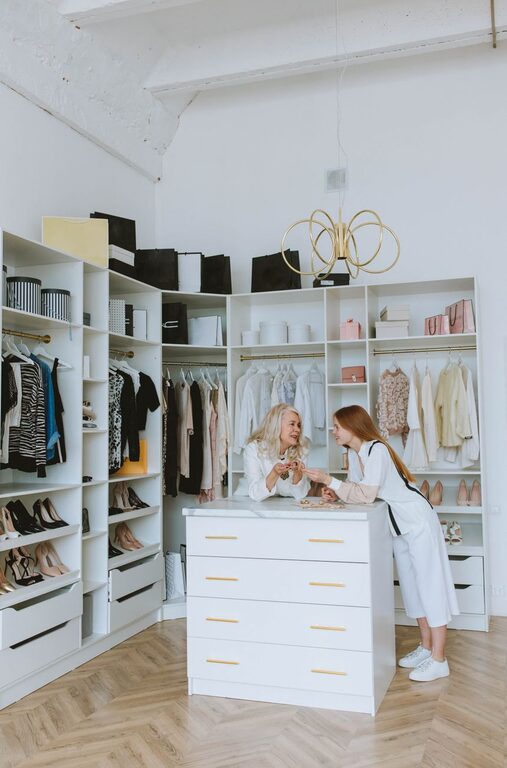
    Add Shelves and Bins

    Shelves are great for folded sweaters, jeans, or shoes. Use labeled bins or baskets for smaller accessories like scarves, belts, or hats to keep them contained and easy to find.

    Consider Drawer Organizers

    If your closet includes drawers, dividers help separate items like socks, underwear, or jewelry, making it easier to access what you need.

    Utilize Door and Wall Space

    Install hooks or hanging organizers on the inside of closet doors or walls for additional storage. They’re perfect for bags, ties, or frequently used items.

    Step 3: Organize by Category and Frequency

    How you arrange your clothes impacts how easy it is to maintain order.

    Group similar items together: Keep all pants, shirts, and dresses in separate sections.

    Arrange by color: Within categories, organizing by color can simplify outfit choices.

    Keep everyday clothes accessible: Place frequently worn items at eye level or in easy-to-reach spots.

    Store seasonal clothes separately: Use labeled bins or vacuum bags for off-season items to free up space.

    Step 4: Maintain Regularly

    An organized closet is not a one-time project. Regular upkeep helps your closet stay neat.

    Put items back immediately: Avoid piles by returning clothes to their designated spots after use or laundry.

    Do a monthly tidy-up: Spend a few minutes each month to refold, refold, and reorganize.

    Reassess seasonally: Adjust your closet based on the season, swapping out clothes and reevaluating what to keep.

    Step 5: Utilize Smart Labeling

    Labels make it simple to find and return items properly. Use clear or stylish labels on bins, shelves, and drawers.

    Use pictures for kids’ closets: Visual labels help children learn to organize their own clothes.

    Try chalkboard or dry-erase labels: These can be changed easily as your needs evolve.

    Step 6: Create a Comfortable and Inviting Space

    Your closet should be a pleasant space to spend time in.

    Ensure good lighting: Bright lighting helps you see colors and details clearly.

    Add a mirror: A full-length mirror lets you check your outfits easily.

    Keep a small stool or chair: This can be handy for putting on shoes or sorting clothes.

    Bonus Tips

    Use scent sachets or cedar blocks: These keep your closet smelling fresh and deter moths.

    Keep a donation bag handy: Place a small bag in or near your closet for clothes you decide to donate immediately.

    Avoid overcrowding: Don’t overload your closet; give items enough space to breathe.

    Final Thoughts

    Organizing your closet doesn’t have to be overwhelming. By decluttering, using the right storage tools, and maintaining your system, you can enjoy a tidy closet that stays organized long-term. This not only improves your daily routine but also creates a calm, welcoming environment in your home.

    Start small, stay consistent, and soon your closet will become a space you love to open each day!

  • Simple Ways to Reduce Household Paper Clutter

    Simple Ways to Reduce Household Paper Clutter

    Spread the love

    Reducing paper clutter in your home can make a big difference in how comfortable and organized your living space feels. Piles of mail, receipts, school papers, and other documents can quickly accumulate, making it harder to find what you need and creating unnecessary stress. The good news is that simplifying your paper management is easier than you might think. Here are some simple and practical ways to reduce household paper clutter and keep your home tidy.

    Why Reducing Paper Clutter Matters

    Before diving into the tips, it’s helpful to understand why reducing paper clutter is important. Excess paper not only creates visual mess but can also cause distractions and make it difficult to keep track of important documents. Organizing and minimizing paper clutter can save you time, reduce stress, and make your home more enjoyable.

    Sort and Purge Regularly

    The first step in managing paper clutter is to sort through the piles you already have.

    Create Sorting Categories

    Set up bins or boxes labeled for different categories, such as:

    Keep: Important documents to keep long-term (bills, tax papers, insurance)

    Action: Papers that require immediate attention (invitations, forms to fill out)

    Recycle: Junk mail, flyers, and other papers you don’t need

    Shred: Sensitive documents with personal information

    Schedule Regular Sessions

    Make it a habit to go through your paper clutter weekly or monthly. This prevents piles from growing too large and keeps your system manageable.

    Digitize Important Documents

    One of the best ways to cut down on physical paper is to go digital whenever possible.

    Use a Scanner or Smartphone App

    Apps like Adobe Scan, CamScanner, or even your phone’s camera can help you create digital copies of receipts, bills, and important documents.

    Organize Your Digital Files

    Create folders on your computer or cloud storage with clear labels for easy access. Back up your files to avoid losing important information.

    Opt for Electronic Statements

    Contact your banks, utility providers, and other services to switch from paper to electronic statements and bills. This reduces incoming paper and is environmentally friendly.

    Create a Paper Management Station

    Having a dedicated spot for handling paper can keep clutter contained.

    Set Up an Inbox

    Place a tray or basket in a convenient spot for incoming mail. Check it daily, so papers don’t pile up.

    Keep Supplies Handy

    Store pens, stamps, envelopes, a shredder, and a recycling bin nearby to make sorting and dealing with paper quick and easy.

    Use Filing Systems That Work for You

    Organizing papers in a way that fits your lifestyle encourages consistent use.

    Simple Filing Solutions

    – Use hanging folders or accordion folders for major categories.

    – Label folders clearly.

    – Use color-coding to make files easy to identify.

    Keep Only What You Need

    Be selective when filing. If you haven’t needed certain documents in years and they’re not legally required to keep, consider recycling them.

    Manage Kids’ Paperwork Creatively

    Paper clutter often comes from children’s schoolwork, art, and activity flyers.

    Display and Rotate

    Create a bulletin board or a designated wall space to showcase favorite art. Rotate new pieces in regularly, and store or recycle older ones.

    Digital Keepsakes

    Take photos of artwork and school projects to preserve memories without keeping every physical item.

    Limit Incoming Paper

    Sign up for school newsletters or announcements via email where possible.

    Reduce Junk Mail

    Unsolicited mail contributes significantly to paper clutter.

    Opt Out

    Use services like the Direct Marketing Association’s opt-out tools to reduce junk mail.

    Contact Companies Directly

    Call or email companies to remove your name from mailing lists.

    Use Online Alternatives

    Request digital catalogs and coupons instead of printed versions.

    Set Up a Shredding Routine

    Sensitive documents should be shredded to protect your privacy.

    Use a Home Shredder

    If possible, keep a shredder in your paper station for quick disposal.

    Schedule Shredding Sessions

    If you don’t have a shredder, gather papers and find a community shredding event or service.

    Maintain Your System

    The key to lasting paper clutter reduction is consistency.

    Weekly Review

    Spend a few minutes each week sorting new paper and filing or recycling it properly.

    Adjust as Needed

    Your paper management system should evolve with your needs. Don’t hesitate to change categories or tools if something isn’t working.

    By adopting these simple strategies, you can keep your household paper clutter to a minimum and enjoy a more organized, peaceful environment. Remember, the goal is progress, not perfection, so start with small changes and build a system that works best for you and your family.

favusei.pro
Privacy Overview

This website uses cookies so that we can provide you with the best user experience possible. Cookie information is stored in your browser and performs functions such as recognising you when you return to our website and helping our team to understand which sections of the website you find most interesting and useful.