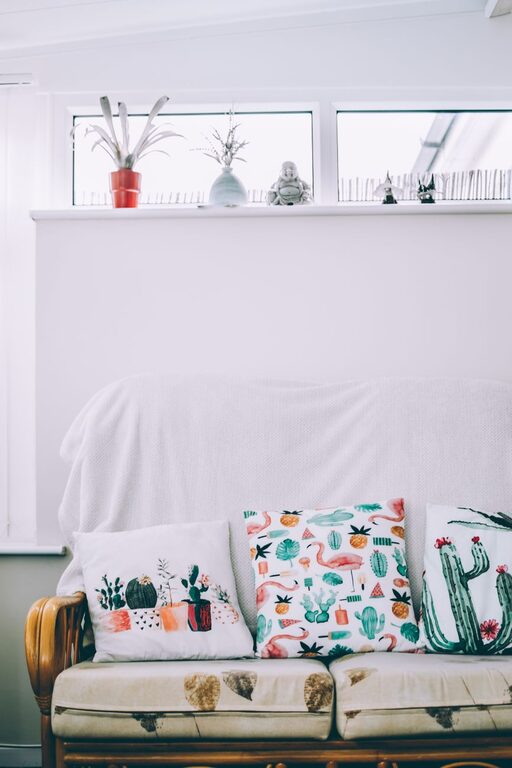
When a room feels dark and cramped, it can impact your mood and how you use the space. Whether you’re dealing with limited natural light, heavy curtains, or dark-colored walls, there are plenty of quick and practical ways to brighten up a room. The good news is, you don’t have to undertake a full renovation to make your space feel lighter and more welcoming. Here are some easy ideas to bring more light and airiness to your dark room.
1. Use Light Colors on Walls and Ceilings
One of the most effective ways to make a dark room feel brighter is to paint the walls and ceiling in light, neutral colors. Whites, creams, soft grays, and pastels reflect more light than darker shades, helping to open up the space visually.
Tips:
– Choose matte or eggshell finishes for walls to reduce glare.
– Paint the ceiling a shade or two lighter than the walls to create an uplifting effect.
– Consider using semi-gloss paint on trims and moldings to add subtle brightness.
2. Maximize Natural Light
Maximizing the natural light coming into the room is key. Even small changes to your window treatments can make a big difference.
Suggestions:
– Use sheer, light-colored curtains instead of heavy drapes.
– Avoid covering windows with bulky furniture.
– Keep windows clean to allow maximum sunlight.
– Use mirrors strategically to reflect natural light deeper into the room.
3. Add Mirrors to Reflect Light
Mirrors are an inexpensive way to brighten a dark room. They bounce natural and artificial light around the room, making it feel more open and airy.
How to use mirrors effectively:
– Place a large mirror opposite or adjacent to a window.
– Try round or decorative mirrors to add style and visual interest.
– Use mirrored furniture or reflective surfaces like glass tabletops.
4. Choose Light Furniture and Accessories
Heavy, dark furniture can make a room feel more enclosed and gloomy. Instead, opt for pieces in lighter tones or translucent materials.
Ideas:
– Light wood finishes or white-painted furniture help open the room.
– Glass or acrylic furniture adds brightness without bulk.
– Incorporate light-colored rugs and throw pillows to add softness and brightness.
5. Improve Artificial Lighting
When natural light is limited, good artificial lighting becomes vital. Layer your lighting to create a warm and inviting atmosphere.
Lighting tips:
– Use a mix of overhead lights, floor lamps, and table lamps.
– Choose bulbs with a daylight or soft white color temperature.
– Add dimmer switches for adjustable brightness.
– Consider LED strip lights under shelves or cabinets to add subtle illumination.
6. Declutter and Simplify
A cluttered room feels heavier and darker. Keeping the space tidy and simple can help light flow more freely.
To declutter:
– Remove unnecessary furniture or decor.
– Use smart storage solutions like baskets and shelves.
– Choose minimalistic decorations that don’t overwhelm the room.
7. Introduce Reflective and Light Fabrics
Fabrics can affect how light is absorbed or reflected in a room.
Suggestions:
– Use light-colored curtains, upholstery, and bedding.
– Avoid heavy, dark materials that absorb light.
– Incorporate linens, cotton, or silk to enhance natural light.
8. Add Greenery for a Fresh Feel
Plants not only add color and life but can also make a space feel fresher and more open. Opt for plants that thrive in low light if natural light is limited.
Great low-light plants include:
– Snake plant
– ZZ plant
– Pothos
– Peace lily
Conclusion
Brightening a dark room doesn’t require a lot of time or money. By focusing on light colors, maximizing natural and artificial light, minimizing clutter, and adding reflective surfaces, you can transform your space into a welcoming, vibrant area. Experiment with these tips to find what works best for your room and personal style. With a few simple changes, your dark room can become one of the most enjoyable spots in your home.
Leave a Reply