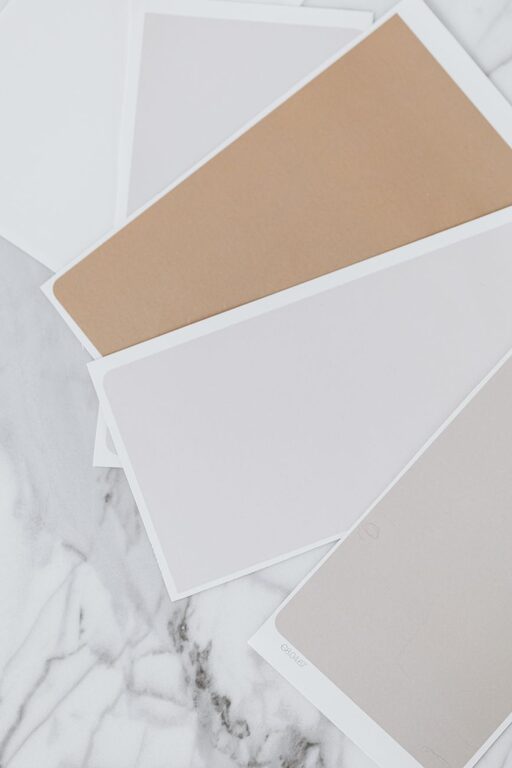
Creating a calm and peaceful atmosphere in your home starts with choosing the right colors. Colors can deeply influence mood and energy, and selecting calm tones can help make your living spaces feel like a sanctuary. Whether you are repainting a single room or refreshing your entire house, understanding how to pick calm colors is key to achieving a soothing environment.
In this post, we’ll explore effective tips and ideas for choosing calm colors that work well in any home setting.
Why Choose Calm Colors?
Calm colors are typically soft, muted, and easy on the eyes. They help reduce stress and promote relaxation, which is why many people prefer these tones in bedrooms, living rooms, and other spaces meant for rest and rejuvenation.
Some benefits of calm colors include:
– Creating a serene and inviting atmosphere
– Making spaces appear larger and more open
– Encouraging restful sleep and relaxation
– Complementing natural light and furnishings
Understanding Color Categories for Calmness
Before selecting colors, it’s helpful to know which color families typically evoke calm feelings:
1. Neutrals
Neutrals such as soft beige, warm grays, light taupes, and creamy whites provide a gentle backdrop that pairs well with any décor style.
2. Pastels
Pastel colors are pale versions of brighter hues, including light blues, blush pinks, mint greens, and lavender. These colors offer subtle color without overwhelming the senses.
3. Earth Tones
Earth tones draw inspiration from nature. Soft greens, muted terracottas, sandy browns, and gentle blues create a grounding and peaceful vibe.
Tips for Choosing Calm Colors for Your Home
1. Consider the Room’s Purpose
Start by thinking about how you use the space. Bedrooms and bathrooms benefit from relaxing blues, soft greens, or pale lavenders. Living rooms can handle welcoming neutrals and warm earth tones. Kitchens and dining rooms often shine with gentle yellows or light sage.
2. Test Samples in the Space
Paint colors can look very different depending on lighting and surrounding furnishings. Always test samples on your walls before committing. Observe how the colors appear at different times of the day with natural and artificial lighting.
3. Stick to a Limited Palette
Using too many colors can feel chaotic. Choose two or three calm colors to maintain harmony. For example, pair a soft gray with a muted blue and off-white for a balanced look.
4. Use Color Intensity Wisely
Colors can be calming not only because of their hue but also because of their saturation and brightness. Opt for softer, less saturated tones rather than bold or highly vibrant colors.
5. Incorporate Texture and Patterns
If you want to add interest while keeping the calm vibe, use textures and subtle patterns. For example, a pale blue wall with a soft linen curtain or a textured beige rug can enhance the soothing feeling.
6. Complement with Natural Elements
Natural wood, plants, and stone accents work beautifully with calm colors, adding warmth and connection to nature.
Popular Calm Color Choices Explained
Soft Blue
Blue is a universally calming color. Soft blues mimic the sky and water, promoting tranquility and balance. Perfect for bedrooms and bathrooms.
Sage Green
Green symbolizes growth and renewal. Sage green is muted and versatile, adding a restful vibe to living rooms and kitchens.
Warm Gray
Gray is neutral and sophisticated. Choose warm grays with brown undertones for a cozy yet calm atmosphere.
Pale Lavender
Lavender has subtle warmth and delicate charm. It can create a soothing and slightly romantic ambiance in bedrooms.
Creamy White
White tones with cream or beige undertones feel less stark and more inviting than pure white. Ideal for all rooms to brighten and calm simultaneously.
Final Thoughts
Choosing calm colors for your home is a rewarding way to create peaceful, inviting spaces where you can relax and recharge. By understanding the mood each color conveys and applying practical tips on selection and testing, you can confidently select hues that not only look beautiful but also enhance your well-being.
Remember to take your time, experiment with samples, and trust your instincts. The right calm colors can transform your home into a sanctuary you’ll love to come back to every day.
Leave a Reply